
Trézor.io/Start — Starting Up™ Your Device | Trezor®®
Trezor.io/start offers useful setup information for connecting a Trezor hardware wallet with compatible software while supporting account management and essential security practices.
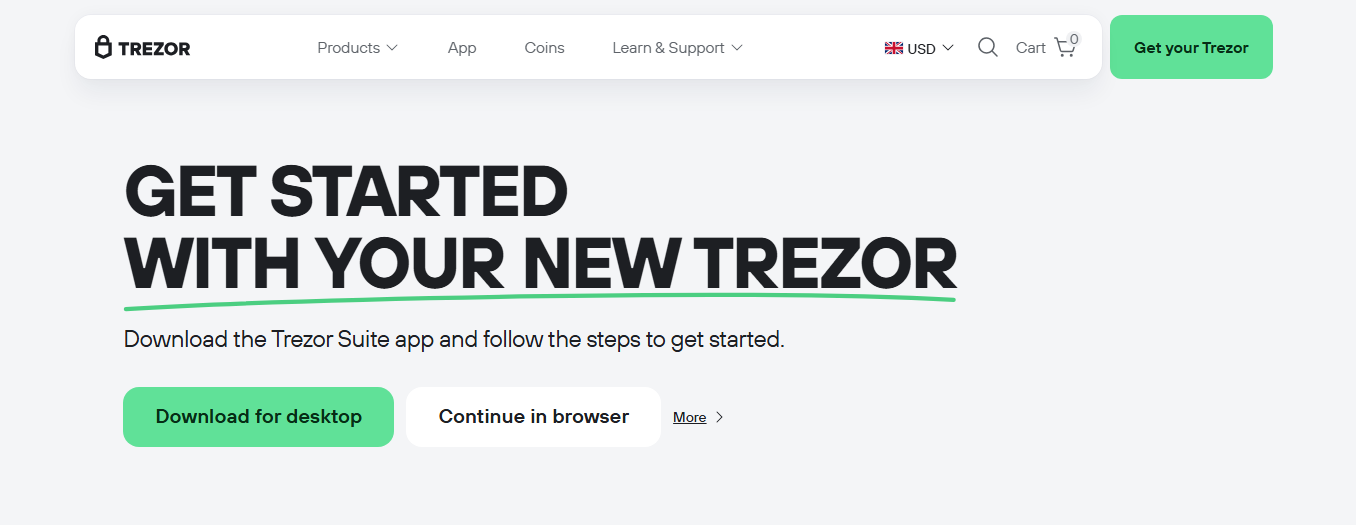
Trezor.io/start: A Practical Guide to Trezor Hardware Wallet Setup
Getting started with a hardware wallet involves several important steps, from preparing the device and installing compatible software to creating a wallet backup and learning how to approve cryptocurrency transactions safely. For new users, understanding each stage can make the setup process less confusing and help establish better security habits from the beginning.
Trezor.io/start is a useful starting point for users beginning their Trezor hardware wallet setup. The onboarding process connects the physical device with Trezor Suite and introduces users to essential wallet-management and security practices.
What Is Trezor.io/start?
Trezor.io/start is a starting point for users who want to begin configuring a Trezor hardware wallet. It helps direct users toward the software and setup resources needed to prepare their device.
The setup experience is designed to bring together several stages of hardware-wallet initialization. These can include connecting the device, preparing the required software, creating or restoring a wallet, and securing the wallet backup.
Because device features and setup screens can change over time, users should follow the instructions presented for their particular Trezor model.
Why Hardware Wallet Setup Is Important
A hardware wallet is designed to provide a dedicated environment for managing sensitive cryptocurrency operations. Instead of relying entirely on a computer or mobile device, the hardware wallet can be used when important actions require confirmation.
Proper initialization is therefore an important part of wallet security. A device that has not been configured carefully may expose users to avoidable risks, particularly if they rely on unofficial software or share sensitive backup information.
Taking time to understand the setup process is better than rushing through it.
Preparing for Your Trezor Setup
Before visiting Trezor.io/start, prepare a trusted computer and the Trezor hardware wallet. Keep the original device and its accessories under your control throughout the setup process.
Choose a private environment where you can concentrate on the instructions without interruptions. Cryptocurrency wallet setup involves sensitive information, so avoid asking another person to perform the process on your behalf.
It is also useful to have the physical backup material ready for recording the wallet backup when the device instructs you to do so.
Getting Trezor Suite Ready
Trezor Suite provides the software environment used to interact with supported Trezor devices. It can provide access to account management, transaction features, portfolio information, and other supported wallet functions.
When installing the software, pay close attention to where it comes from. Fake wallet applications can look convincing and may attempt to collect sensitive information.
Do not rely on a random download link simply because it uses the Trezor name or logo. Verify the source before installing anything related to cryptocurrency management.
Connecting the Trezor Device
After preparing the software, connect the Trezor hardware wallet using the appropriate connection method for the device.
The application may recognize the hardware wallet and present instructions for continuing the setup. Read these prompts carefully instead of clicking through them automatically.
When the physical device displays information, treat it as an important security reference. Unexpected messages or warnings should be investigated before continuing.
Checking the Device During Setup
Hardware-wallet setup should include careful attention to the physical device. The screen and controls on the Trezor can provide information that helps users verify important actions.
If something displayed on the device does not match the expected setup process, pause rather than attempting to bypass the warning.
Maintaining control over the physical device is an important part of maintaining control over the wallet.
Creating a New Trezor Wallet
After the device is prepared, users can follow the applicable instructions to create a new wallet. The exact setup process may differ according to the Trezor model and current software version.
During this stage, the wallet may generate backup information that is essential for recovery. This information should be handled carefully and recorded exactly as instructed.
Never assume that a wallet backup is something that can safely be recreated later without following the correct recovery process.
Protecting Your Wallet Backup
The wallet backup is one of the most important parts of a Trezor setup. It should be treated as confidential information because possession of the backup may provide a way to recover the associated wallet.
Keep the backup offline and protected from unauthorized access. Avoid storing it as a photograph, computer file, cloud document, email message, or smartphone note.
Do not share the backup with friends, relatives, online support agents, or anyone else who claims that they need it for troubleshooting.
Why You Should Never Share Recovery Information
Cryptocurrency scams often target recovery information because it can be more valuable than an ordinary application password.
A website that asks you to enter your wallet backup to “activate” a device should be treated with suspicion. The same applies to messages claiming that your wallet needs to be synchronized, verified, upgraded, or unlocked by entering the backup online.
If a request involves sensitive wallet information, stop and independently verify it before continuing.
Setting Up Device Security
Depending on the Trezor model and current software environment, users may encounter additional security options during setup. These settings should be configured according to the instructions provided for the particular device.
Device security helps create a barrier between physical access to the hardware and unauthorized wallet operations.
Do not use security information that is easy for another person to guess. Keep any device credentials private and do not record them in publicly accessible locations.
Using Trezor Suite After Setup
Once the hardware wallet has been configured, Trezor Suite can become the primary interface for supported wallet-management activities.
Users may use the software to view accounts, monitor supported assets, prepare transactions, receive cryptocurrency, and review wallet activity.
The software makes wallet management more convenient, but users should remember that the physical hardware wallet remains an important part of the security process.
Managing Cryptocurrency Accounts
Organizing accounts can make it easier to understand which assets are being managed and where particular funds are located.
Before sending or receiving cryptocurrency, verify the selected asset and network. Different cryptocurrencies can use different networks, and choosing the wrong option may result in an unsuccessful or irreversible transfer.
Developing a habit of checking account information before every important operation can prevent simple mistakes.
Receiving Crypto Safely
Receiving cryptocurrency may appear simple, but address verification remains important. Before sharing a receiving address, make sure it belongs to the intended account.
For important transfers, use the hardware wallet's available verification features when applicable. Do not rely entirely on an address displayed on a potentially compromised computer.
If the address shown by the software differs from what the hardware wallet displays, stop the process and investigate before accepting the transfer.
Reviewing Transactions Before Signing
Sending cryptocurrency requires careful review because blockchain transactions can be difficult to reverse.
Before approving a transaction, check the destination, amount, network, and fees. Pay particular attention to information presented on the Trezor device.
A website or computer application may display one set of details while a malicious process attempts to change what is actually being authorized. Hardware-device verification helps provide another opportunity to detect such discrepancies.
Never approve a transaction that you do not understand.
Recognizing Fake Trezor Websites
Scammers may create websites that closely resemble legitimate wallet pages. These websites can use similar logos, colors, terminology, and setup instructions to appear authentic.
Be cautious when encountering urgent warnings or messages asking you to restore, verify, or unlock a wallet. Legitimate-looking branding does not automatically make a website trustworthy.
Before entering any information, carefully verify the website address and source.
Avoiding Fake Support Requests
Another common risk involves fake technical-support agents. Someone may claim that your Trezor has a synchronization problem or security issue and offer to repair it remotely.
Never provide your wallet backup or other sensitive credentials to an unknown support representative.
Also be cautious about remote-access software. Giving another person control of the computer used for wallet management can create significant security risks.
Keeping Trezor Software Updated
Wallet software can receive updates that improve compatibility, functionality, or security. Users should keep their wallet environment appropriately maintained and follow the update process relevant to their device.
At the same time, avoid installing updates from unknown websites. A fake update can potentially install malicious software instead of legitimate wallet software.
Whenever an update request seems unusual, independently verify its source before proceeding.
Common Trezor.io/start Setup Mistakes
Rushing through the setup process is one of the easiest ways to make a preventable mistake. Users should avoid skipping device warnings, ignoring backup instructions, or installing software from unofficial sources.
Other common problems include storing backup information digitally, entering recovery information into websites, approving unfamiliar transactions, and trusting unsolicited support messages.
A slower and more deliberate setup process can provide better protection than trying to complete everything as quickly as possible.
If Your Trezor Is Not Working as Expected
Connection or software problems can sometimes occur during hardware-wallet setup. If the device is not recognized or an application behaves unexpectedly, begin with basic troubleshooting rather than immediately assuming that the wallet is lost.
Check the physical connection, restart the appropriate software, and consult trusted setup documentation for the specific Trezor model.
Do not install unofficial recovery programs or give remote computer access to an unknown person who claims they can solve the problem.
Maintaining Long-Term Trezor Security
Setting up the wallet is only the beginning. Good security practices should continue whenever the device is used.
Keep the wallet backup private, maintain the computer used for wallet management, verify addresses, inspect transactions before approval, and remain alert to phishing attempts.
It is also useful to periodically review your wallet-management habits. Security becomes stronger when careful behavior becomes routine rather than something performed only during the initial setup.
Final Thoughts
Trezor.io/start can serve as a useful entry point for users beginning their Trezor hardware wallet setup. The process introduces important stages such as preparing the software environment, connecting the physical device, creating a wallet, protecting the backup, and learning how to manage cryptocurrency more carefully.
The most important part of a successful setup is not simply completing the installation. Users should understand why recovery information must remain private, why transaction details should be verified, and why unofficial websites and support requests can create serious risks.
With a careful setup process and consistent security habits, a Trezor hardware wallet can provide a structured way to manage supported cryptocurrency assets while keeping important authorization steps connected to a dedicated physical device.
Updated about 4 hours ago