
Trézor.io/Start — Starting Up™ Your Device | Trezor®
Trezor.io/start offers helpful information for users preparing a Trezor hardware wallet, connecting compatible software, managing crypto accounts, and following recommended security measures.
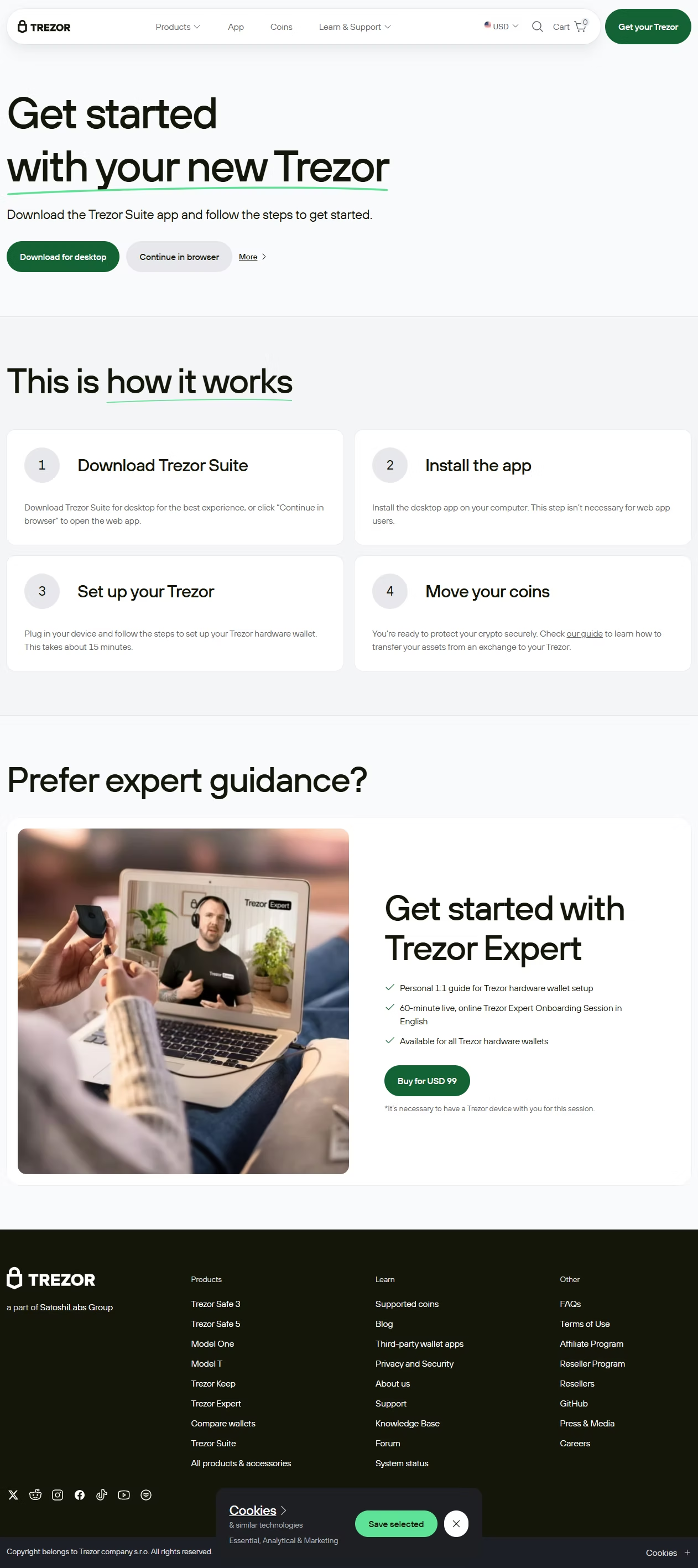
Trezor.io/start: A Complete Guide to Setting Up Your Trezor Wallet
Getting started with a hardware wallet requires careful attention to both the device and the software used to manage it. A Trezor hardware wallet is designed to give users greater control over their cryptocurrency by keeping important wallet credentials protected within a dedicated physical device. For new users, understanding the setup process can make wallet management easier and help establish better security habits from the beginning.
Trezor.io/start is a useful starting point for users who want to configure a Trezor device and begin using the Trezor ecosystem. The setup process connects the hardware wallet with Trezor Suite, allowing users to initialize their device, create or recover a wallet, manage supported assets, and interact with their accounts.
Understanding Trezor.io/start
Trezor.io/start serves as an onboarding point for people beginning their Trezor wallet journey. Rather than treating a hardware wallet like a traditional online account, the setup process involves a physical device, wallet software, and security information that must be protected by the owner.
The setup process is designed to guide users through the essential stages of preparing their Trezor device. This includes installing or accessing Trezor Suite, connecting the hardware wallet, completing the device setup, and creating an appropriate wallet backup.
New users should take their time during each stage because mistakes involving wallet backups or unauthorized software can create unnecessary security risks.
What Is a Trezor Hardware Wallet?
A Trezor hardware wallet is a physical device created for secure cryptocurrency management. It works alongside compatible wallet software while providing a separate environment for important security operations.
Trezor Suite provides the user interface for many wallet activities, while the hardware device remains an important part of transaction authorization. This combination allows users to review wallet information through software while using the physical device when security-sensitive actions require confirmation.
Understanding this relationship is useful before starting the setup process because it explains why both the Trezor device and Trezor Suite are needed.
Getting Ready Before Setup
Before visiting Trezor.io/start, prepare the hardware wallet and the computer or mobile device you intend to use. A stable internet connection and compatible connection cable may also be required depending on the Trezor model.
It is best to perform the setup in a private environment without unnecessary distractions. Avoid allowing other people to watch while you create or record wallet security information.
Preparing in advance also makes it easier to complete the setup without rushing through important security steps.
Installing Trezor Suite
Trezor Suite is the main software environment used with Trezor hardware wallets. It provides tools for viewing accounts, managing supported cryptocurrencies, receiving assets, preparing transactions, and interacting with other wallet features.
When installing Trezor Suite, users should obtain the application through official Trezor sources. Searching for wallet software can sometimes produce advertisements or websites that imitate legitimate services, so checking the website address carefully is an important security habit.
Once the correct application has been installed, open Trezor Suite and follow the instructions displayed on screen.
Connecting Your Trezor Device
After opening Trezor Suite, connect the Trezor hardware wallet to the compatible device. The application should recognize the connected hardware and guide you through the appropriate setup steps.
Depending on the device and its current status, the process may involve checking the device, installing or updating firmware, and completing initial configuration.
Pay attention to messages displayed both in Trezor Suite and on the hardware wallet. When the device asks you to confirm an action, review the information carefully before approving it.
Creating a New Trezor Wallet
Users setting up a new Trezor device may have the option to create a new wallet. During this process, the device generates the information needed to establish the wallet.
One of the most important stages is creating and protecting the wallet backup. This backup should be recorded exactly as instructed and stored somewhere secure and private.
Do not treat the backup like an ordinary password. It is an important recovery component and should never be posted online, stored in an unsecured document, or shared with another person.
Recovering an Existing Wallet
Trezor devices can also be used to recover an existing wallet when the user already has the appropriate recovery information.
Recovery should only be performed when you understand where the wallet backup came from and why you are restoring it. If an unexpected website, email, message, or person tells you to enter your recovery information, stop and verify the request through official resources.
Creating a new wallet and recovering an existing wallet are separate processes, so selecting the correct option during setup is important.
Protecting Your Trezor Backup
The security of a hardware wallet depends heavily on how its backup information is handled. Keeping the physical device secure is important, but protecting the wallet backup is equally important.
Store the backup in a private and secure location that is protected from unauthorized access and accidental damage. Avoid taking unnecessary digital photographs or creating online copies.
Never provide your backup information to someone claiming to be Trezor support. Legitimate support should not require users to disclose sensitive wallet recovery information.
Managing Cryptocurrency With Trezor Suite
After setup is complete, Trezor Suite can be used for many regular wallet-management activities. Depending on the supported asset and device, users can create accounts, monitor balances, receive cryptocurrency, and prepare transactions.
The software gives users a convenient interface for organizing their cryptocurrency holdings, while the hardware wallet provides an additional physical layer for approving important operations.
Before confirming any transaction, review the destination address, amount, network information, and other details carefully.
Receiving Cryptocurrency Safely
Receiving cryptocurrency generally involves providing an appropriate wallet address to the sender. However, users should still verify the address before sharing it.
When possible, review receiving information through the trusted wallet environment rather than relying entirely on an address copied from an unknown message or website.
Keeping records organized can also make it easier to identify which account or asset is being used.
Sending Cryptocurrency With Care
Sending cryptocurrency requires additional attention because blockchain transactions are generally difficult or impossible to reverse after confirmation.
Before approving a transaction, carefully review the details shown by the wallet software and confirm the relevant information on the Trezor device when requested.
Do not approve an unfamiliar transaction simply because a website or application tells you that the action is required.
Recognizing Fake Trezor Websites
Phishing is one of the most important threats for cryptocurrency users. Fake websites can imitate Trezor pages, wallet interfaces, support portals, or software download pages.
A fraudulent website may attempt to persuade users to enter their wallet backup, private information, or other sensitive credentials.
Always verify the website address before downloading software or entering security information. Avoid links received through unsolicited emails, social media messages, or unknown websites.
Keeping Trezor Software Updated
Wallet maintenance should continue after the initial setup. Keep Trezor Suite and compatible device software updated according to official instructions.
Updates may improve functionality, compatibility, and security. However, users should only install updates obtained from trusted Trezor sources.
If an unexpected message asks you to install an unusual wallet application or firmware file, verify the request before continuing.
Common Trezor Setup Mistakes
Some common mistakes include downloading Trezor Suite from an unofficial website, sharing recovery information, rushing through the wallet backup process, ignoring warnings, and approving transactions without checking their details.
Another mistake is assuming that owning a hardware wallet automatically makes every transaction safe. Users still need to recognize phishing attempts and verify the information they approve.
A careful setup combined with consistent security habits provides a stronger foundation for cryptocurrency self-custody.
Creating a Safer Trezor Routine
Good wallet security is an ongoing process. Keep the Trezor device in a secure location, protect the wallet backup, use trusted software, and avoid entering sensitive information on unfamiliar websites.
It is also useful to develop a routine of checking transaction details before approving them. If something looks unexpected, pause instead of proceeding automatically.
Taking a few extra seconds to verify information can prevent costly mistakes.
Final Thoughts
Trezor.io/start provides a practical starting point for users who are preparing a Trezor hardware wallet. From installing Trezor Suite and connecting the device to creating a wallet backup and managing cryptocurrency, each stage contributes to a more organized self-custody experience.
The most important part of the process is not simply completing the setup quickly. Users should understand how the hardware wallet, Trezor Suite, and wallet backup work together. By using trusted software, protecting sensitive recovery information, verifying transactions, and staying alert to phishing attempts, users can establish a more secure approach to managing their digital assets.
Updated about 5 hours ago